Selection Guide for Large-Scale Wind-Resistant Steel Roller Shutters
Blog 2026-07-28
What factors should be considered when selecting large-scale wind-resistant steel roller shutters for export? Saduqi advises that they must not only comply with international standards but also possess wind resistance, whilst offering a one-stop service from design to installation to ensure they meet the demands of various extreme operating conditions.
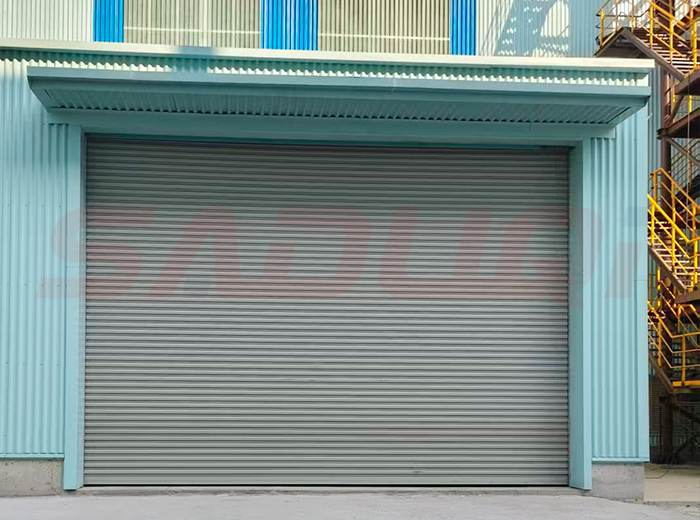
[Wind-Resistant Steel Roller Shutters] In-Depth Analysis: Understand These Points and Avoid 90% of the Pitfalls
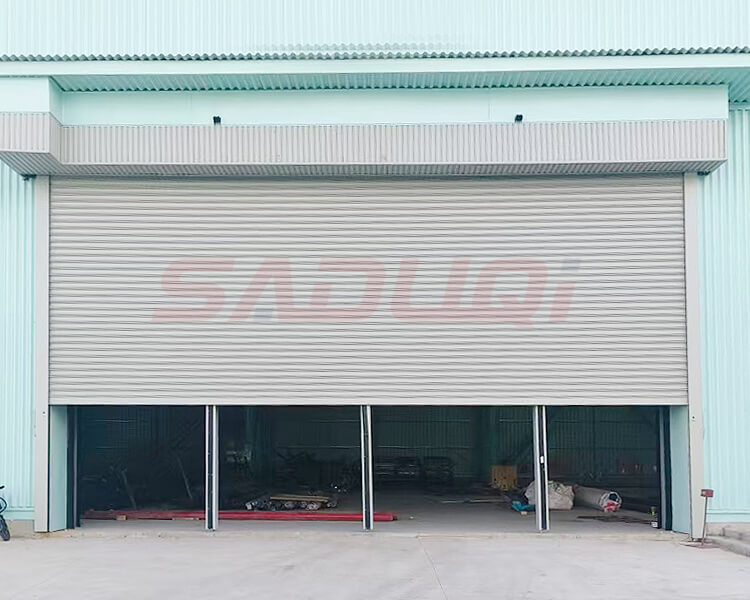
Core Principles/Definitions: Wind-resistant steel roller shutters are industrial doors specifically designed for severe weather conditions, primarily used in coastal areas and environments with high wind speeds. They utilise high-strength steel and an optimised structural design to withstand the impact of strong winds, thereby protecting the interior of buildings from damage.
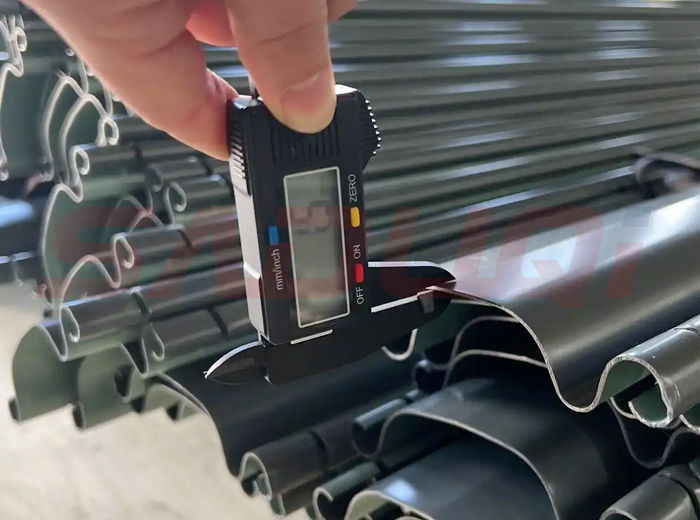
Factors affecting performance:
Material and thickness: High-quality wind-resistant roller shutters are typically made from 304 or 316 stainless steel, with a sheet thickness of no less than 1.0 mm.
Guide Rail System: A reinforced guide rail design, combined with a reinforced slat interlocking structure, enhances overall strength.
Drive System: The brand of the motor, its torque, protection rating (IP) and the stability of the control system (such as variable frequency drives and smart networking) are crucial for long-term operation.
Sealing performance: High-performance sealing strips prevent air convection, reduce energy consumption and ensure effective sound insulation.
Certification and testing: Products must pass a number of industry certifications, such as ISO 9001 Quality Management System certification and CE certification, and must undergo rigorous third-party testing and verification.
Common misconceptions:
Focusing solely on price whilst neglecting quality: Low-cost products often cut corners on raw materials or simplify manufacturing processes, resulting in substandard corrosion resistance, sealing performance and safety protection.
Ignoring customisation requirements: Different application scenarios have varying requirements in terms of wind resistance ratings, dimensions and so on, making non-standard customisation particularly important.
Underestimating after-sales service: Professional installation guidance and prompt after-sales support can significantly enhance the user experience and extend the product’s service life.