The Difference Between Steel Roller Shutters and Aluminium Alloy Roller Shutters
Blog 2026-07-23
Steel roller shutters and aluminium alloy roller shutters are two of the most common types of roller shutters used in industrial and commercial settings, and many customers often find it difficult to decide which to choose when selecting products for their projects.
As a company specialising in the field of specialised industrial doors, with over a decade of experience in full-chain manufacturing, Sadouqi draws on its experience from thousands of completed projects to provide professional selection advice from multiple perspectives for your reference.
Applications
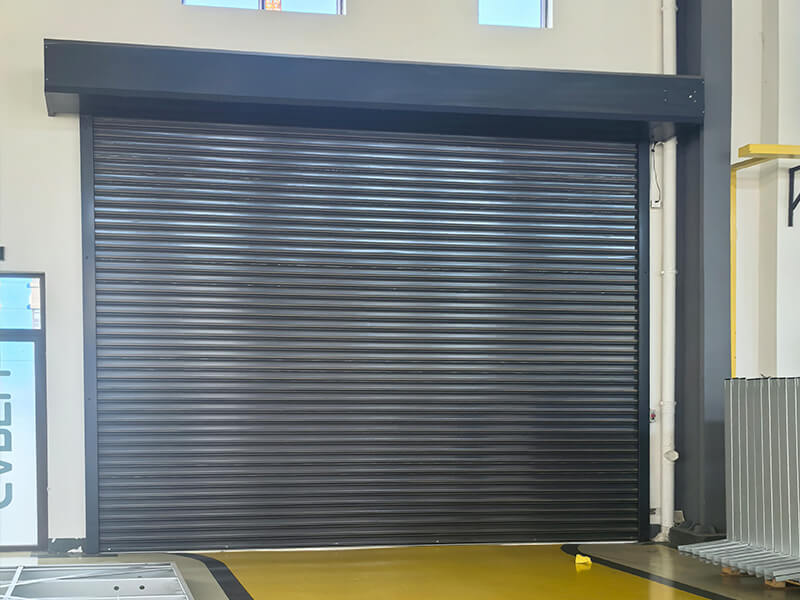
For environments with high security requirements, such as heavy industrial sites, coastal industrial estates and chemical industrial parks, we recommend opting for steel roller shutters. Made from carbon steel or stainless steel strips, they feature a robust structure and excellent resistance to deformation; not only do they offer outstanding burglary and impact resistance, but they also provide a high level of wind and blast resistance.
Aluminium alloy roller shutters, however, are relatively soft in texture, lack structural rigidity and have poor wind and impact resistance; they are therefore only suitable for light-duty commercial and standard warehouse applications in inland areas with low wind pressures;
Given the frequent occurrence of extreme typhoon conditions in recent years, projects requiring high levels of protection are advised to opt for steel roller shutters from the outset.
Corrosion Resistance
Aluminium alloy roller shutters, by virtue of their material properties, are naturally resistant to oxidation and rust, and perform well in terms of corrosion resistance in ordinary, dry inland environments;
however, when exposed to highly corrosive conditions such as coastal salt spray or acidic and alkaline gases from chemical plants, their resistance is limited, and long-term use can lead to surface corrosion and structural deterioration. Standard carbon steel roller shutters have relatively weak inherent corrosion resistance, but this can be significantly improved through enhanced surface treatment processes.
For highly corrosive environments, 304 or 316L stainless steel variants can be customised; these offer superior resistance to salt spray, acids and alkalis compared to standard aluminium alloys. Although the cost is slightly higher, they are fully suited to extreme corrosive conditions.
Thermal Insulation Properties
Both steel and aluminium alloy roller shutters can be filled with a layer of polyurethane foam, providing a certain degree of thermal and acoustic insulation. When compared, the base material of steel slats has a higher density, which slows the transmission of sound waves and heat; consequently, they offer superior basic sound and thermal insulation performance for the same foam thickness. When combined with a sealing system, they are better suited to meeting the environmental requirements of temperature-controlled factories and cleanrooms.
From a pricing perspective
This depends on your operational requirements and budget. Product prices within the industry vary widely; lower-priced products often feature thinner base materials and simplified manufacturing processes. Whilst they may appear to offer lower initial procurement costs, they actually incur higher long-term maintenance and replacement costs. If long-term stability and suitability for your specific operating conditions are priorities, we recommend prioritising a comparison of material specifications, manufacturing standards and brand credentials, rather than simply comparing prices.