Materials, Structure and Applications of Aluminium Alloy Roller Shutter Door
Blog 2026-10-10
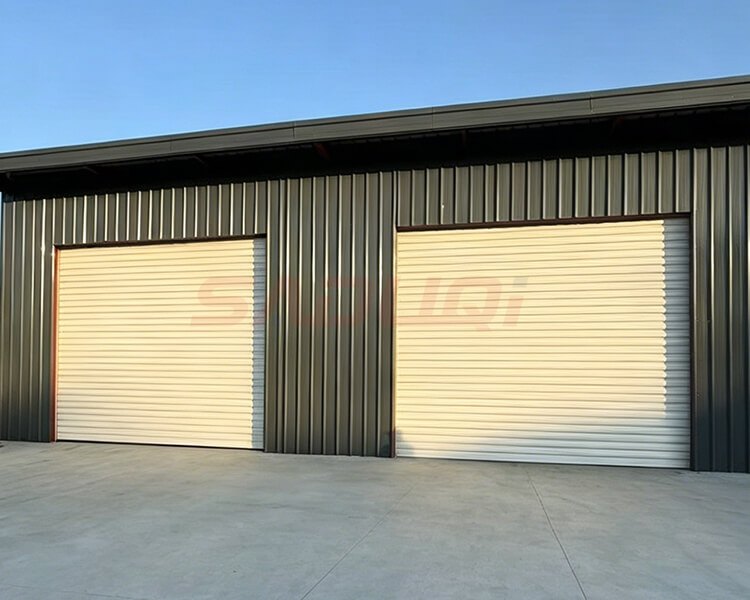
Aluminium alloy roller shutter door utilise aluminium alloy as the base material for the slats, which interlock to form a complete curtain that rolls up above the opening to open and close the shutter.
Structural Composition
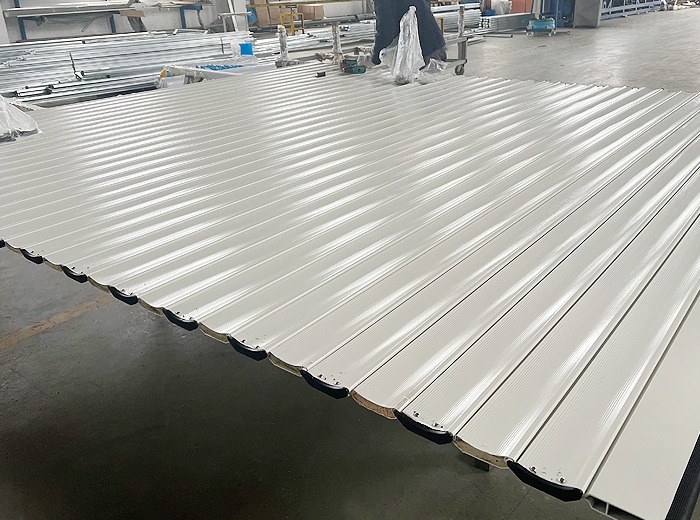
Door Curtain
Composed of standard-sized slats interlocked together, with a reinforced aluminium alloy bottom rail fitted at the base; the bottom rail features an embedded EPDM rubber seal, ensuring a floor-to-floor seal that prevents dust ingress whilst reducing vibration and noise.
Aluminium Alloy Guide Rails
Material: Reinforced extruded aluminium profile, wall thickness 1.8–2.0 mm;
Fitted with built-in nylon silent brush strips / rubber seals to reduce noise caused by slat friction; available in single-channel and wide, wind-resistant tracks;
Drums and Compartments
Rollers: Galvanised seamless steel tubes, designed to support the weight of the door;
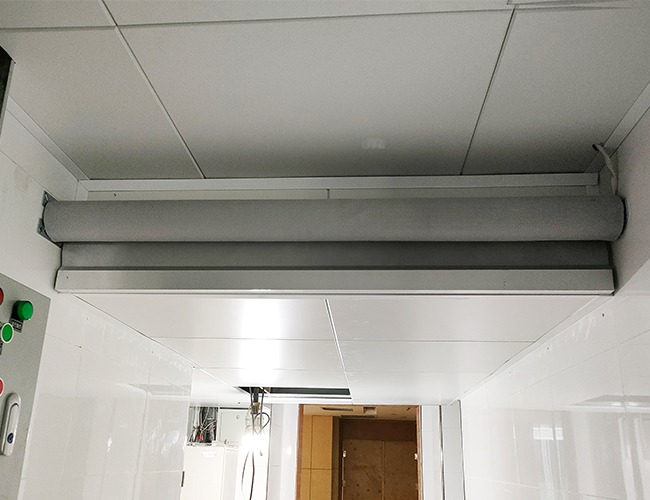
Enclosure: Aluminium alloy casing, enclosing the upper aluminium alloy roller shutter door curtain; dust- and rain-proof, attractive and neat—essential for outdoor installation.
Drive System
Tubular internal motor: Concealed within the drum, with a power rating of 250–600 W; suitable for aluminium allo roller shutter door openings ≤6 m wide.
External side-mounted motor: External high-power motor, operating at 220 V/380 V industrial voltage, with a load capacity of 500–2,500 kg; suitable for large industrial doors measuring 8 m wide by 7 m high.
Key Benefits
Rust-free: Aluminium alloy is naturally corrosion-resistant, ensuring no rust stains even after long-term use and a long service life;
Quiet Operation: Nylon-sealed tracks + foam cushioning eliminate the clanging noise associated with metal doors;
Lightweight and Energy-efficient: The aluminium alloy roller shutter door panel is lightweight, reducing the load on the motor and resulting in a failure rate far lower than that of steel doors;
Thermal and Sound Insulation: The double-layered foam-insulated version blocks out heat and cold, ensuring a high level of comfort;
Attractive Design: Available in a range of colours with a smooth finish; when retracted, the aluminium allo roller shutter door does not occupy space on either side of the doorway;
High Security: Thickened, interlocking slats are difficult to pry open, and multiple layers of security can be added;
Technical Specifications
| Project | Parameters |
| Width of the opening | 0.5 – 8 m |
| Height of the opening | 1 – 7 m |
| Louvre Structure | Single-layer solid / Double-layer foam / |
| Wall thickness of a single sheet | 0.6 / 0.8 / 1.0 / 1.2 mm |
| Opening and closing speed | 0.17 – 0.6 m/s |
| Wind resistance | Standard: Wind force 10 |
| Sound insulation | Double-layer foam: 25–35 dB |
| Service life | 20 年以上 |
| Voltage | 220V / 380V |
Installation Methods
Internal Fitting (inside the opening)
The roller shutter is rolled up at the top of the room, so the aluminium alloy roller shutter door casing is not visible from the outside, giving a neat appearance; suitable for garages and indoor shops.
External Installation (outside the opening)
The entire door is mounted on the external wall, featuring a complete aluminium alloy casing that conceals any damage to the wall and provides protection against rain and sunlight; this is the standard choice for high-street shops.
Central Installation (in the middle of the opening)
Balances the needs of both internal and external spaces; commonly used for passageways and hoist openings in industrial premises.
Maintenance
Clean dust from the tracks every six months and apply a silicone-based lubricant to the track guides (do not use engine oil, as this attracts dust and causes jamming);
Check the bottom seals and track brush strips; replace them promptly if they show signs of ageing to ensure a proper seal and minimise noise;
Test the electric motor annually to verify the manual release in the event of a power cut and the obstacle-detection rebound function;
Wipe the painted surface with clean water and a neutral detergent to remove dirt; avoid using strong acids or alkalis, as these may corrode the coating.