Which High Speed Door Should A Food Factory Choose?
Blog 2026-08-11
When selecting high speed doors for food processing plants, the key factors to consider are hygiene, ease of cleaning, traffic flow efficiency, safety and thermal insulation. Different workshop areas require different types of high speed doors.
Fresh Produce Section, Seafood Section, Meat Processing Area
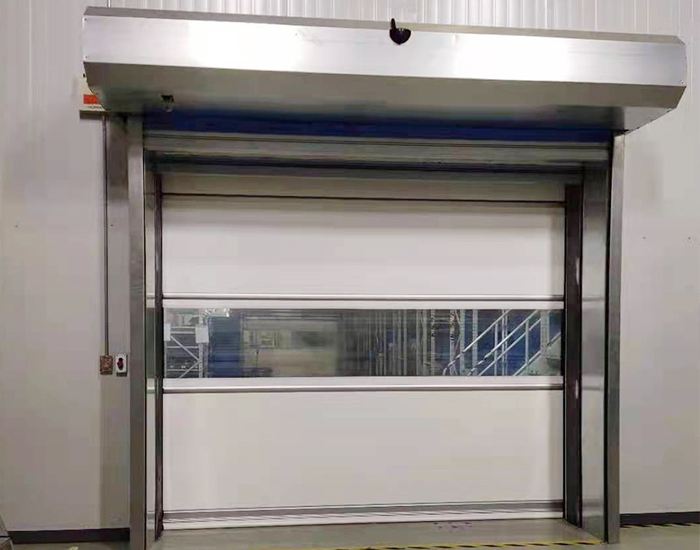
Recommended: 304 stainless steel zip-type high speed door
Requirements: Concealed external screws; no grooves where dirt can accumulate; removable door curtain for easy dismantling and cleaning
Delicatessen workshop, packaging area, isolation passageway between raw and cooked food
Recommended: Zipper-type self-repairing high-speed door + [Dual-door interlock function]
The two buffer doors cannot be opened simultaneously, maintaining the pressure differential within the workshop; a key inspection item under HACCP.
Cold stores, quick-freezing chambers, low-temperature sorting aisles
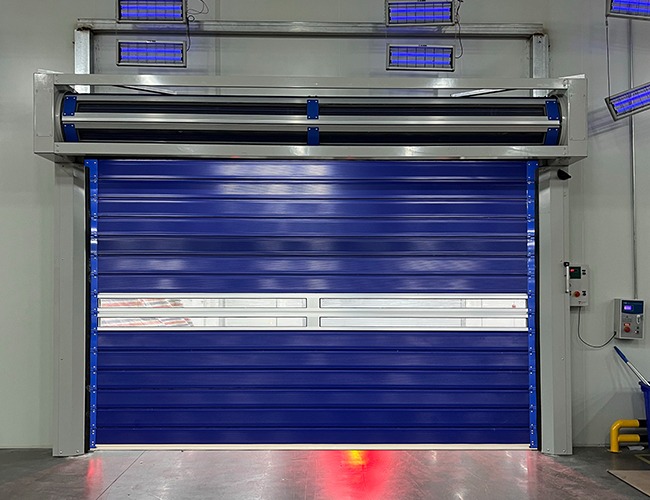
Recommended: Insulated PVC high-speed doors (specialised for cold stores)
Fitted with low-temperature motors and low-temperature seals; prevents standard door curtains from hardening and cracking at low temperatures.
Ambient-temperature raw materials warehouses
Recommended: 304 stainless steel high-speed doors
Sensors: Ground-mounted magnetic loops + radar; if the budget allows, opt for the zip-up model to enhance insect protection
Outdoor loading bays, workshop entrances
Recommended: Turbine-driven hard-panel high-speed doors – burglar-proof, secure, wind-resistant and thermally insulated
Requirements for High Speed Doors
Opening speed: 0.8–1.8 m/s; closing speed: 0.6–1.0 m/s. For door openings 3 m high, the door should ideally complete the opening and closing cycle within 3 seconds, thereby reducing opening time and minimising the ingress of insects and the exchange of hot and cold air.
Door Curtain: Food-grade, phthalate-free PVC curtain fabric should be used, with a recommended thickness of 0.9–1.2 mm. The surface should be dense and smooth, non-absorbent and resistant to oil and grease. Food-grade transparent PC/PVC viewing windows should be fitted, with a height that accommodates the line of sight for both personnel and forklift operators.
Frame: Complete 304 stainless steel frame + motor guard; upgraded to 316L stainless steel for critical workshops to ensure resistance to acid and alkali corrosion.
Sealing structure: Double-layer high-density silicone brush seals or zip-lock interlocking seals.
Electrical waterproof rating: Control box and motor housing protection rating ≥**IP55; IP65 required for areas subject to frequent high-pressure washing.
Safety Features
– Through-type infrared photoelectric curtain
– Bottom safety airbag (automatically reverses if the door encounters an obstruction)
– External emergency stop button, audible and visual warning lights
Smart Opening Methods
Dedicated forklift logistics passage
Primary sensor: Ground-mounted magnetic sensor; Backup: Pull-cord switch + remote control
Production Aisles with Mixed Pedestrian and Vehicle Traffic
Primary Sensing: Pedestrian and vehicle recognition radar; Backup: External waterproof push-button
Cleanrooms
Primary Sensing: Radar / Gesture sensing + **Dual-door interlock function**; Optional facial recognition access control
Door Type: Zipper-sealed high-speed door
Cold stores / Low-temperature sorting aisles
Preferred: Ground-loop sensors (radar is prone to interference from fog at low temperatures); electrical controls should utilise specialised low-temperature modules,
AGV automated production line aisles
Primary opening: AGV signal interlock; backup radar as a fallback for manual access
Selecting the appropriate high-speed door is a crucial step in improving the zoning management of food factory production areas and optimising logistics routes. It is recommended to conduct a comprehensive comparison of material standards, sealing performance, sensor solutions and after-sales maintenance terms, taking into account the specific on-site conditions. Priority should be given to configurations that are easy to clean, corrosion-resistant and highly automated, whilst balancing regulatory compliance and long-term production operations to create a safe and hygienic production environment.