Differences Between Aluminium Alloy Roller Shutters And Steel Roller Shutters
Blog 2026-09-02
Aluminium Alloy Roller Shutters
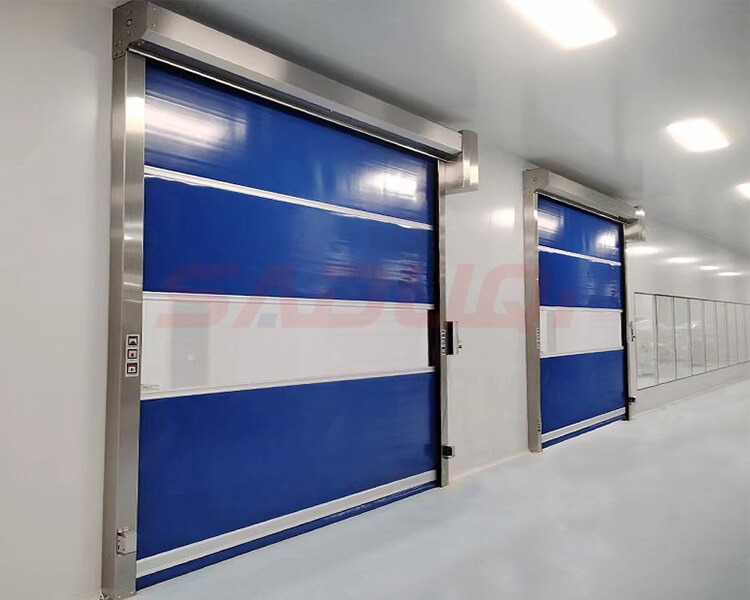
These roller shutters feature slats made from high-strength aluminium alloy profiles that have been roll-formed, and are operated by winding them around a roller shaft. The surface of the slats is treated with anodising or fluorocarbon/powder coating, providing excellent weather resistance. Common types include single-layer and double-layer aluminium alloy models.
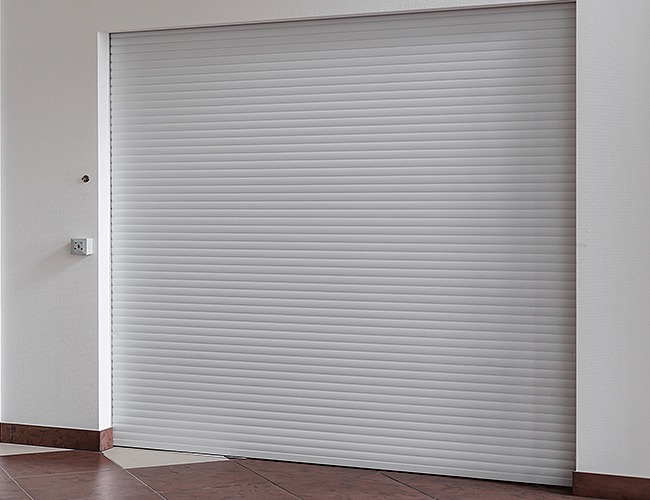
Lightweight: 30%–50% lighter than steel for the same structure, resulting in lower motor load and a lower failure rate
Rust and corrosion resistance: Naturally corrosion-resistant; withstands damp and saline-alkali environments; remains rust-free during long-term outdoor use
Aesthetically pleasing and stylish: Wide range of surface finishes available; colours can be customised; suitable for shop fronts and building façades
Excellent sound insulation and thermal insulation: The double-layer slat structure facilitates the insertion of insulation material
Easy to install: Lightweight, with low load-bearing requirements on walls
Disadvantages: Strength and impact resistance are inferior to steel; wind bracing is required for large spans
Steel Roller Shutters
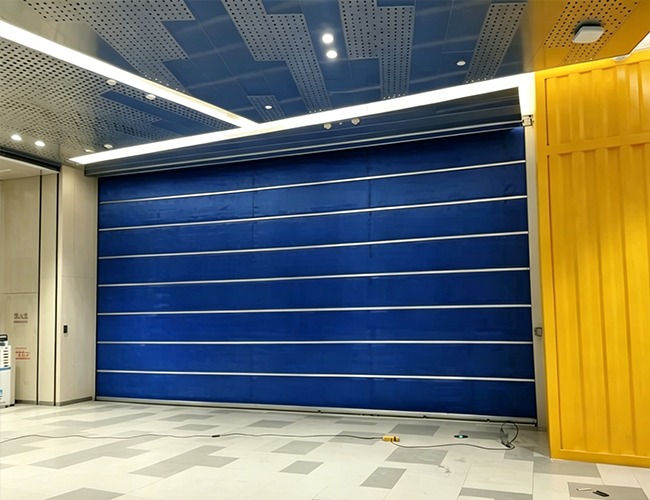
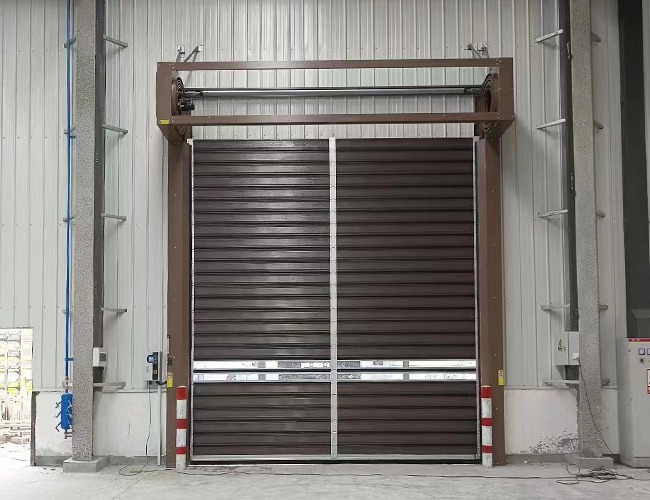
These are manufactured from slats formed by roll-forming galvanised or colour-coated steel sheets, which offer high strength and are operated by winding around a roller. Steel roller shutters are highly wind-resistant and are suitable for large workshop openings; they are the most widely used type of roller shutter in industrial settings.
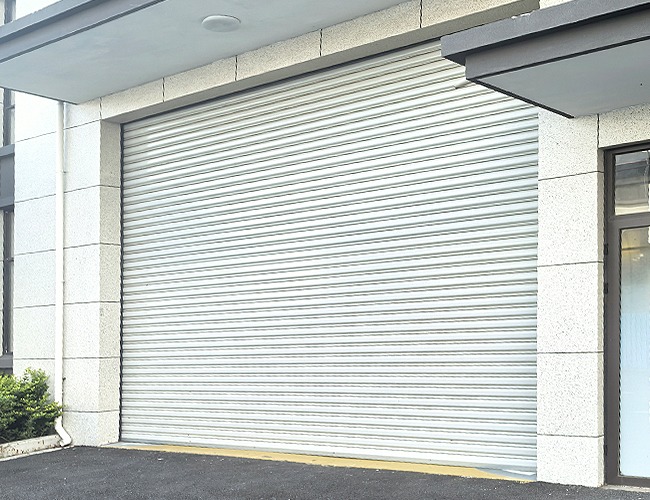
High strength: Excellent compressive and impact resistance, with good anti-theft performance
Superior wind resistance: Wind-resistant slats are suitable for large-span workshop and warehouse openings
Good value for money: lower cost than aluminium alloy for equivalent specifications
Available in fire-rated versions: single-layer or double-layer steel designs comply with fire-rated roller shutter regulations and are suitable for fire compartments
Drawbacks: heavy (requires reinforcement of load-bearing structures during installation); prone to rust (requires galvanisation or coating, along with regular maintenance)
Key Differences
| Products | Aluminium alloy roller shutters | Steel roller shutters |
| Material | Aluminium alloy profiles | Galvanised steel sheet |
| Slats | 0.8–1.2 mm, can be increased to 1.5 mm | Standard: 0.5–1.0 mm; wind-resistant: 0.8–2.0 mm |
| Strength | Moderate; less impact-resistant than steel | High; high compressive strength and high impact resistance |
| Corrosion-resistant | Excellent rust protection; resistant to damp | Generally prone to rusting over time; galvanisation or coating improves resistance |
| Sound insulation | Fair; insulation filling may be added | Generally, a single layer is not very effective |
| Burglary prevention | Strong (double-layered) | Strong (high-strength panels) |
| Wind resistance | Generally, strong wind-bracing members are required | wind-resistant designs are suitable for large openings |
| Electric motor | Low to medium power | Large spans require high-power motors + reinforced shafts |
| Price | Higher Lower | Good value for money |
| Applications | Shops, garages, residential properties, office buildings, coastal areas with high humidity | Warehouses, factories, workshops, logistics facilities, fire compartments |
All things considered, there is no definitive superiority or inferiority between aluminium alloy roller shutters and steel roller shutters; the key factor depends on the specific application.
When selecting a model, simply bear in mind three key points: the environment, the opening (span and wind pressure requirements), and your budget.
If you’re looking for something lightweight, attractive and rust-resistant, choose an aluminium alloy roller shutter;
if you’re looking for something sturdy, wind-resistant and good value for money, choose a steel roller shutter.
Which one is right for your doorway?